
Estate Cleanout vs. Estate Sale in Hemet, CA: What’s the Difference?
An estate sale sells a home’s belongings to buyers, while an estate cleanout empties the property so it can be sold, rented, or handed over. Most families in Hemet need some of both, and the order you do them in decides how much you recover and how long the house sits full.
This guide explains how the two services differ, which items belong in which pile, and how to decide what to do first with an inherited home.
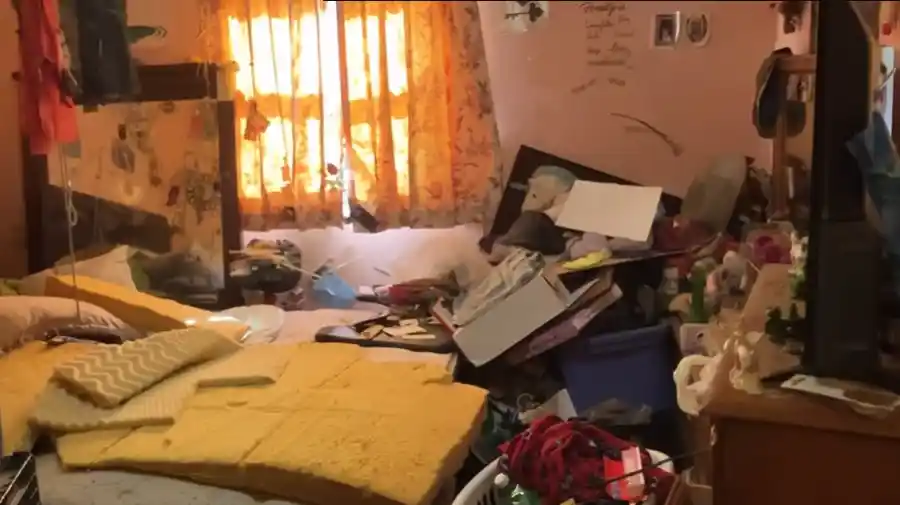
What Is an Estate Cleanout?
An estate cleanout is the removal of everything left in a property after someone passes away or moves into care, so the home is empty and ready for its next step. The goal is a clear house, not a profit.
A typical cleanout includes sorting items into keep, donate, and haul-away piles, carrying out furniture and appliances, and sweeping the home when the work is done. The family decides what stays, and the crew handles the lifting.
Cleanouts are usually priced by the amount of material removed, not by what the items are worth. That makes the cost predictable, but nothing comes back to the estate from the items themselves unless you sell or donate them first.
What Is an Estate Sale?
An estate sale is a sale of a home’s contents to the public, usually run by a professional estate sale company that prices, advertises, and staffs the event. Families get paid from what sells.
These companies are normally paid by commission instead of an upfront fee. Rates are commonly quoted in the 25% to 50% range of gross sales, and some companies add charges for setup, advertising, card processing, or cleanup.
An estate sale does not leave the house empty. Whatever does not sell may be donated, sold in bulk to resellers, or hauled away, and some companies charge extra for that step or leave it to the family.
Estate Cleanout vs. Estate Sale: Key Differences
A sale turns belongings into money, and a cleanout turns a full house into an empty one. The table below shows where they differ.
| Estate sale | Estate cleanout | |
|---|---|---|
| Main goal | Turn the home’s belongings into money. | Turn a full house into an empty one. |
| Who gets paid | Families get paid from what sells. | The family pays the cleanout company a flat fee based on volume. |
| Typical cost | No upfront fee; companies take a commission of 25% to 50% of gross sales, plus possible charges for setup, advertising, card processing, or cleanup. | A flat fee based on the amount to remove; whole-property cleanouts typically run about $500 to $800. |
| Money back to family | The family keeps the sale proceeds minus the company’s commission. | Nothing comes back to the estate from the items themselves unless you sell or donate them first. |
| Time on site | The sale has to be planned, priced, advertised, and run. | Most single-family homes are cleared in one to two days. |
| What happens to leftovers | Whatever does not sell may be donated, sold in bulk to resellers, or hauled away; some companies charge extra for that step or leave it to the family. | The home is left empty and broom-swept; the crew handles the sorting and hauling. |
| Best fit | The home holds items buyers will pay for and there is no deadline. | The house is too full, too far away, or too tied to a deadline for the family to clear alone. |
Which Items Should You Sell, Donate, Keep, or Remove?
Sort by what each item is worth to the family and to a buyer, not by how much room it takes up.
| Pile | Typical items | What to do |
|---|---|---|
| Keep | Photos, documents, jewelry, wills, deeds, financial records, cash, and keepsakes heirs claim. | Pull them first and set them aside for family review; let heirs choose keepsakes. |
| Sell | Quality furniture, antiques, collectibles, tools, and art. | Have quality pieces looked at or appraised, and sell them through an estate sale before the cleanout. |
| Donate | Usable household goods in good condition. | Confirm the charity accepts them first; common choices include Habitat for Humanity ReStore, Goodwill, and the Salvation Army. |
| Remove | Everyday household goods, worn or broken items, and anything left after the sale. | Book a cleanout to haul everything away and leave the home empty and broom-swept. |
Charities such as Habitat for Humanity ReStore, Goodwill, and the Salvation Army are common choices. Many ask for photos or a condition check before they accept large pieces, so ask before you plan on a pickup.
Before you sell or discard anything, confirm who has legal authority over the estate’s belongings. If a will or probate is involved, ask the estate’s attorney.
Should You Hold an Estate Sale Before a Cleanout?
Hold the sale first if the home holds items buyers will pay for and you are not racing a deadline. Skip it, or keep it small, if most of the contents are everyday household goods or a listing date is close.
An estate sale makes sense when:
- The home has quality furniture, antiques, collectibles, tools, or art.
- You can wait for the sale to be planned, priced, and run.
- You have confirmed the contract covers unsold items, or you plan to book a cleanout for them.
Go straight to a cleanout when:
- A realtor, buyer, landlord, or probate date sets the deadline.
- Most items would sell for little after commission.
- Heirs are out of town and want one clear, finished job.
If you do both, ask the sale company in writing what happens to unsold items and whether the home is left broom-clean. Then schedule the cleanout for the day after the sale ends, so the house is not sitting full of leftovers.
How to Prepare an Inherited Home for Sale or Transfer
Work in this order and the house gets emptied once, with nothing valuable lost along the way.
- Confirm authority. Check with the executor or estate attorney who can sell, donate, or discard belongings.
- Secure the home. Change or track keys, and know who has access.
- Pull papers and valuables. Gather wills, deeds, financial records, jewelry, photos, and cash first.
- Let heirs claim items. If family lives out of town, a photo or video walkthrough works for choosing keepsakes.
- Get the sale question answered. Ask an estate sale company or appraiser whether anything justifies a sale.
- Donate what is usable. Call charities ahead and confirm what they accept.
- Book the cleanout. Clear whatever is left, with the date matched to your realtor, buyer, or probate timeline.
- Do a final walkthrough. Check closets, the garage, attic, and sheds, and take photos of the empty home.
Out-of-state family can run most of this by phone, photos, and video, so you do not need to be in Hemet for every step.
When to Hire an Estate Cleanout Company in Hemet
Hire a cleanout company when the house is too full, too far away, or too tied to a deadline for the family to clear alone. That is common with older Hemet homes and the 55+ communities, where gate rules and move-out dates add to the work.
The usual triggers are:
- Family lives out of state and cannot spend days on site.
- A realtor, buyer, or probate date is set.
- The house holds furniture, appliances, or years of stored items that are too heavy to move.
- An estate sale is done and leftovers remain.
With professional estate cleanout services in Hemet, the crew sorts items into keep, donate, and haul piles on your direction, sets aside photos, documents, and jewelry for family review, and leaves the home broom-swept. We work from a flat written quote, can coordinate with executors, estate attorneys, and realtors, and can run a job by photo or video walkthrough if you live elsewhere.
Frequently Asked Questions
Ready to Clear the Home?
If an estate sale is not the right fit, or the sale is done and the house is still full, we can take it from here. Call (951) 208-7014 for a free written quote. You can also send photos and we will price the job without a visit.